
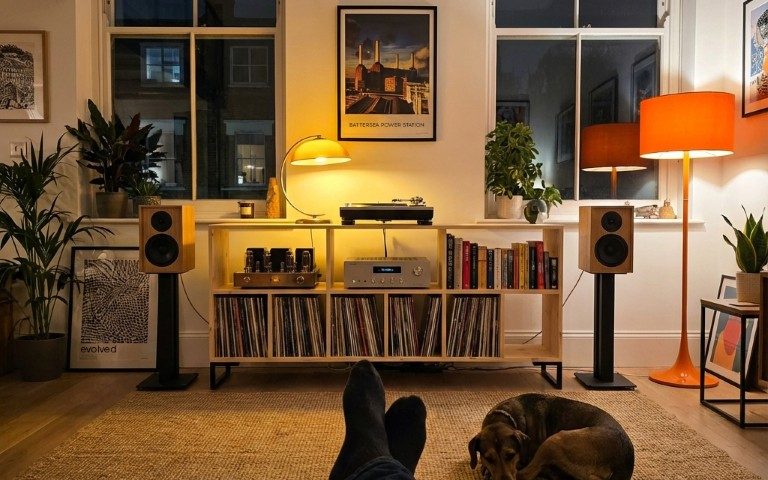
A record collection rarely stays the size you planned. One shelf becomes two, then a stack appears beside the turntable, and before long your listening space starts working against the records you care about. If you are wondering how to store vinyl records properly, the answer is less about squeezing in more copies and more about giving them the right environment, support and structure.
Vinyl is durable in one sense and surprisingly vulnerable in another. A well-kept record can sound superb for decades, but poor storage quietly causes problems – warping, ring wear, split sleeves, dust build-up and that familiar frustration of not being able to find the album you want. Good storage protects both the collection and the room it lives in.
How to store vinyl records without damaging them
The first principle is simple: store records vertically. Never lay them in large horizontal piles for any length of time. Weight distributed across a stack can lead to pressure damage, sleeve wear and, in some cases, warping. Upright storage keeps the load even, provided the records are properly supported and not crammed too tightly together.
That point about pressure matters. Records should stand neatly with enough room to slide one out without dragging the sleeve against its neighbour. Too loose, and they lean at an angle for months. Too tight, and every browse becomes a small act of abrasion. The right fit is firm but not compressed.
Cabinet depth also deserves more attention than it usually gets. A storage unit made for books or general household items often leaves records unsupported or awkwardly set back, while shelving that is fractionally too small can catch sleeves at the edges. Purpose-built vinyl storage is designed around the actual dimensions and weight of LPs, which is why dedicated furniture tends to age better with a collection than improvised options do.
Why vertical support matters
A record does not only need to be upright. It needs to remain upright evenly across the row. If a section of your collection is half full, use dividers or fill the gap so the records do not slump to one side. Long-term leaning can stress both the vinyl and the outer sleeve. This is especially relevant for valuable pressings, box sets and heavier 180g releases, which can put more force through a row than people expect.
Avoid overfilling shelves
Collectors often assume a completely full shelf is efficient. In reality, it makes everyday use harder and increases wear. If you have to tug records out from the middle, you are slowly damaging corners, seams and outer sleeves. Leave enough tolerance that the collection is easy to browse. A storage system should support growth, not punish it.
The best place to keep records at home
Where you place your storage matters almost as much as the unit itself. Vinyl should be kept in a stable, dry room away from direct sunlight and significant heat sources. Radiators, fireplaces, south-facing windows and poorly insulated loft spaces are all risky choices. Heat is one of the most common causes of warped records, and it does not need to be extreme to do damage over time.
Humidity is the other issue. Damp conditions encourage mould on sleeves and can leave records smelling musty even if the discs themselves appear fine. Basements and garages are often poor locations unless they are properly climate controlled. For most homes, a living room, study or dedicated listening room is a much safer environment.
There is also a practical consideration: records tend to be used more when they are stored where the system is. That may sound obvious, but disconnected storage often leads to short-term piles near the turntable, which then become semi-permanent. If your furniture integrates records, hi-fi components and the deck in one coherent arrangement, the room stays calmer and the collection stays better protected.
Sleeves, inner sleeves and everyday handling
Good furniture solves only part of the problem. How the records are sleeved and handled day to day has a real effect on lifespan. Replace damaged paper inners with quality anti-static inner sleeves where needed, and use outer sleeves for albums you want to keep especially clean or collectible. This reduces scuffing and helps preserve artwork and spines.
That said, not every collection needs to be wrapped to archival extremes. If you play your records regularly, practicality matters. Over-packaging can make browsing cumbersome, and some collectors prefer outer sleeves only for rarer pieces. It depends on whether your collection leans towards active listening, collecting value, or both.
Handling should always be by the edge and labelled centre, never across the grooves. It is a small habit, but repeated hundreds of times it makes a visible difference. Dust, skin oils and careless returns to the shelf often do more cumulative harm than one dramatic mistake.
How to organise a growing record collection
Once the basics of how to store vinyl records are in place, organisation becomes the next pressure point. There is no single correct filing method, but there is a wrong one: anything so inconsistent that you stop putting records back where they belong.
Alphabetical order works well for most collections because it remains usable as the library grows. Genre-based systems can suit DJs or collectors with broad tastes, particularly if sections such as jazz, electronic, classical and soundtrack listening serve different moods or equipment setups. Some collectors prefer filing by label, era or country of press, but that usually makes more sense for specialist collections than mixed home listening.
Whichever route you choose, keep it legible. Dividers are helpful, especially in lower cabinets where spine visibility is reduced. If your collection includes LPs, 12-inch singles and 7-inch records, consider separate storage formats rather than forcing different sizes into one compromise solution. A well-designed system acknowledges those distinctions instead of asking the collection to adapt.
Think ahead on capacity
Underestimating capacity is one of the costliest mistakes collectors make. Records are heavy, and collections tend to expand in bursts. Buying storage for your current number only works if you are certain the collection has plateaued, which is rare. A little spare capacity keeps the room looking composed and stops you reverting to temporary piles.
This is where furniture choice becomes more than a styling decision. Dedicated record cabinets, media consoles and hi-fi storage pieces can hold significant weight while giving each format the right footprint. For design-conscious spaces, that means the collection becomes part of the room rather than a compromise within it.
Common storage mistakes to avoid
The worst storage choices are often the most ordinary ones. Cube shelves can work if dimensions and weight loading are right, but many generic units are not built with record mass in mind over the long term. Shelves bow, back panels strain and the overall structure loosens. Vinyl is far heavier than it looks once a unit is full.
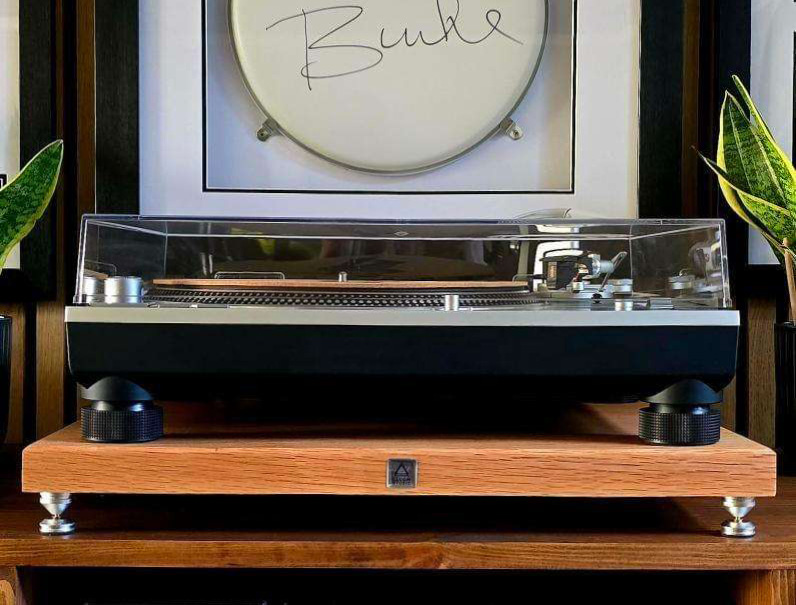
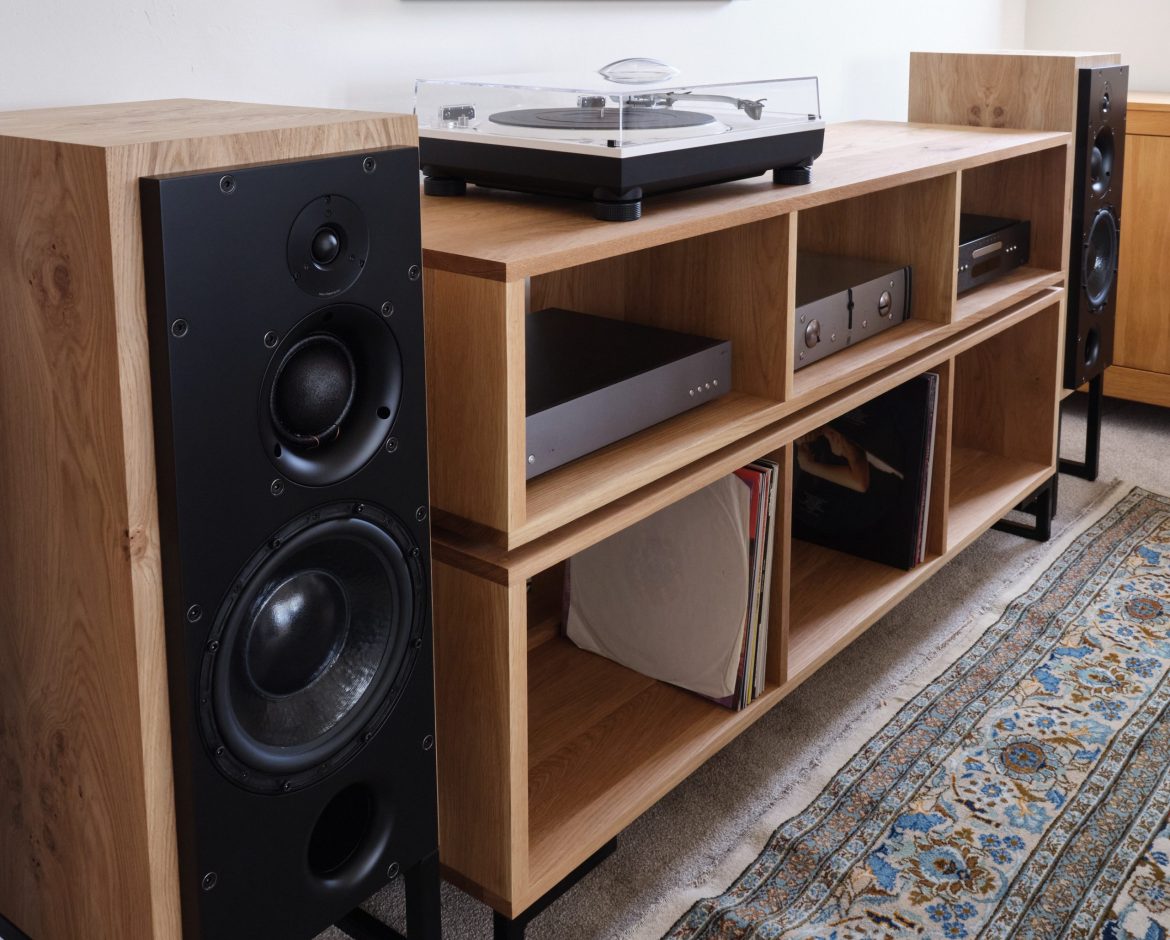
Another common mistake is placing the turntable directly on top of a storage arrangement that vibrates or shifts under load. If the cabinet also houses amplifiers, speakers or a large number of records, stability and layout need proper thought. Good audio furniture accounts for both storage and performance, not just visual neatness.
Records should also never be left beside exterior walls that run cold and damp, particularly in older UK homes. The furniture may appear fine, but microclimate changes can affect sleeves over time. Even premium pressings will not thank you for condensation and temperature swings.
Choosing furniture for vinyl storage
If you are investing in a proper setup, look for furniture designed specifically for records and audio equipment. The essentials are straightforward: correct internal dimensions, strong shelf construction, reliable weight-bearing capacity, easy access and a layout that suits how you listen. Beyond that, the best pieces also consider cable management, ventilation for amplifiers and visual balance within the room.
A low cabinet can work beautifully in a living space where the turntable sits on top and records are stored beneath, while taller modular units may suit larger collections or dedicated listening rooms. DJs and serious enthusiasts often need quicker access, heavier-duty capacity and room for mixers or multiple components. The right answer depends on the collection size, the system and the room.
There is also the question of finish. Vinyl storage is not invisible furniture. In a well-considered interior, it becomes part of the architecture of the space. Hardwood tones, painted finishes and leg options can all help a storage piece sit naturally with the rest of the room rather than looking like a utility add-on. That balance of function and finish is exactly why specialist brands such as Lagom Studio appeal to collectors who want storage to feel as intentional as the records themselves.
A final thought on storing records well
The best vinyl storage does not draw attention to itself every time you use it. It supports the weight, protects the sleeves, keeps the room ordered and makes choosing a record feel easy. When your collection is stored properly, it lasts longer, looks better and becomes part of a listening space that feels considered rather than improvised.



Leave a comment