A vinyl record storage cabinet tends to become essential slightly later than most collectors expect. What starts as a few favourite albums on a sideboard quickly becomes a growing library, a turntable without a proper home, and equipment spread across whatever surface is free. At that point, a purpose-built cabinet stops being a nice extra and starts making the whole listening space work properly.
The difference is not only visual, though that matters. A well-designed cabinet gives records the weight-bearing support they need, keeps playback equipment at a usable height, and turns a corner of the room into something more intentional. For collectors who care about both sound and interior design, that balance is exactly the point.
What a vinyl record storage cabinet should do
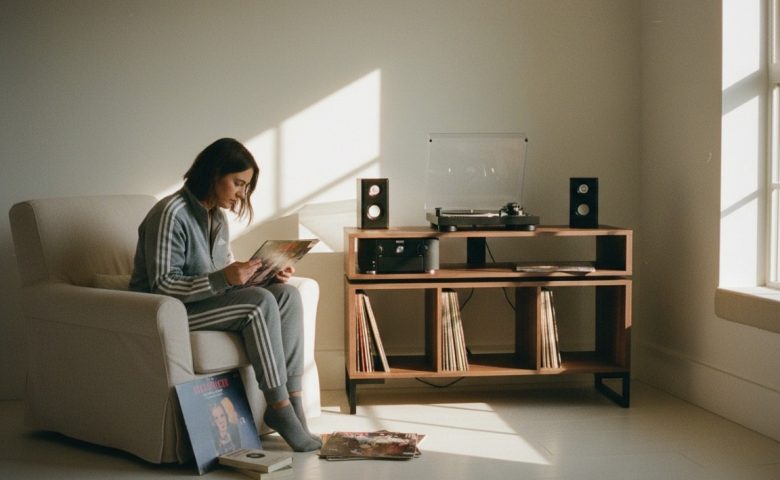
The best pieces are doing several jobs at once. They need to store records upright, support substantial weight over time, and create enough usable surface area for a turntable and associated equipment. In many homes, they also need to sit comfortably within a living room rather than looking like studio overflow.
That is where generic shelving often falls short. Standard cabinets may have awkward shelf heights, insufficient depth, or materials that begin to bow under the load of a serious collection. Vinyl is heavy in a way that surprises people until they try to move even a modest number of LPs. A cabinet designed specifically for records takes that into account from the outset.
There is also the matter of access. Record collecting is tactile. You want to be able to browse spines easily, pull out albums without catching sleeves, and keep the collection organised in a way that still feels relaxed. Furniture built around records tends to understand those habits better than general storage does.
Size matters, but so does layout
Most people begin with capacity, which is sensible, but capacity alone is not enough. A cabinet that technically holds the right number of records can still be wrong for the room or your listening habits. The more useful question is how you want the cabinet to function day to day.
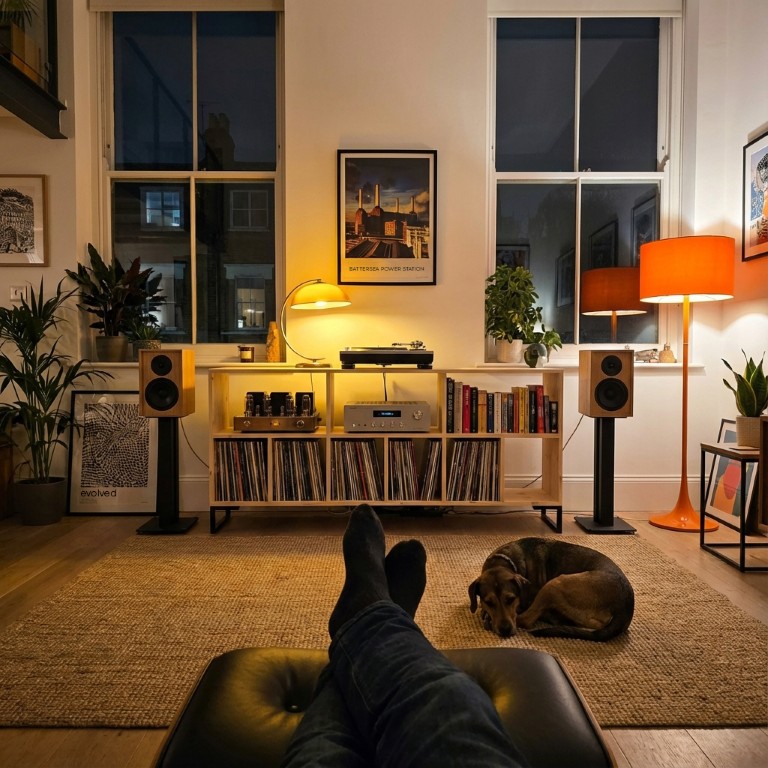
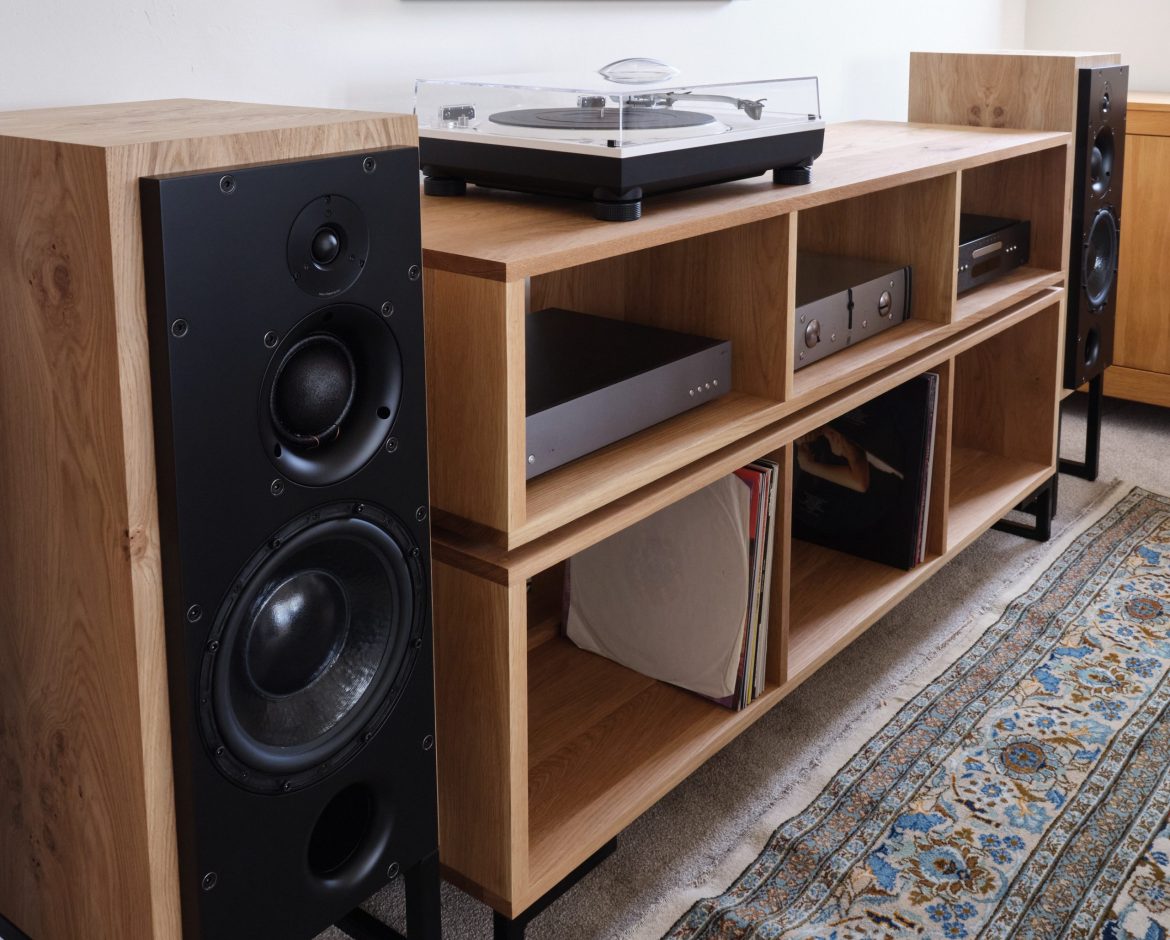
If the turntable will sit on top, surface width becomes important. You may also want room for an amplifier, phono stage or speakers, depending on the setup. Some collectors prefer open shelving for easy access to equipment and a lighter look, while others want a cleaner front with enclosed sections to reduce visual clutter.
There is a trade-off here. Larger cabinets offer welcome storage and stronger presence, but they ask more of the room. In a compact flat, a lower, wider format can feel more integrated than a tall unit, especially when it doubles as media furniture. In a dedicated listening room, you may have the freedom to choose something with more scale and clearer separation between records and hi-fi components.
Why material quality makes a real difference
A premium vinyl record storage cabinet is not simply about finish, although finish is part of its appeal. Material quality matters because records place consistent strain on furniture. Over time, weaker construction reveals itself in sagging shelves, tired edges and doors or drawers that no longer align as they should.
Solid hardwood details, high-quality boards, well-considered joinery and a properly engineered internal structure all contribute to long-term performance. These things are not always obvious in a product photo, but they become obvious after a few years of use.
For design-conscious buyers, there is another advantage to better materials. They age more gracefully. A cabinet chosen for a
living space should still feel right when the collection grows, the rest of the room evolves, or your equipment changes. A well-made piece has enough visual substance to stay relevant.
A vinyl record storage cabinet as part of the room
Collectors rarely want their setup to look improvised. Even a strong system can feel underwhelming when records are stacked in corners and components appear to have landed wherever there was space. A dedicated cabinet helps resolve that by bringing order, proportion and a sense of permanence.
This is particularly important in open-plan spaces or living rooms where the furniture needs to work beyond the listening ritual itself. The right cabinet can anchor a wall, soften the look of hi-fi equipment, and connect with the rest of the interior through timber tone, leg style and overall silhouette.
It depends, of course, on the look you are after. Some rooms benefit from a darker, weightier piece with a more architectural presence. Others suit lighter woods and slimmer detailing that keep the setup visually calm. Neither approach is inherently better. The cabinet simply needs to acknowledge that music furniture lives in the home, not outside it.
Practical details worth noticing
Some of the most useful buying decisions happen in the details. Shelf dimensions should allow records to sit comfortably upright without wasted space or awkward overhang. Depth matters more than many people realise, especially once outer sleeves enter the picture.
Cable management is another consideration that separates furniture designed for audio from furniture merely repurposed for it. Turntables, amplifiers and powered components create a tangle quickly. Open backs, discreet cut-outs or planned routing points make day-to-day use neater and far less frustrating.
Ventilation can matter too, particularly if the cabinet houses amplification. Equipment needs space to perform properly, and tightly enclosed sections are not always ideal unless they have been designed with airflow in mind. Good furniture does not just hold components – it accommodates how they actually behave.
Then there is browsing comfort. If you play records often, the top surface height should feel natural for handling vinyl and operating the turntable. A cabinet can be beautiful and still prove awkward if every record session feels slightly too cramped or too low.
Thinking beyond the records themselves
For many buyers, the cabinet is not only about LP storage. It is about creating a complete, coherent station for music. That may include a turntable, integrated amp, separate phono stage, headphones, accessories, cleaning tools, and perhaps storage for CDs or 7-inch singles as well.
This is why specialist furniture often feels more convincing than one-size-fits-all alternatives. It recognises that collecting is layered. Systems change, collections expand, and listening setups usually become more considered over time rather than less. Buying with that in mind tends to be wiser than choosing a piece that only suits the collection as it stands today.
At Lagom Studio, that idea sits at the centre of the category. The cabinet is expected to do more than hold records. It should support the wider ritual of listening while maintaining the level of finish a well-designed room deserves.
When customisation is worth it
Not every buyer needs a tailored specification, but in premium furniture it can make a noticeable difference. Finish options, hardwood choices and
leg styles are not superficial touches when the cabinet is intended to sit in a carefully composed room. They allow the piece to feel integrated rather than simply added.
Customisation is especially useful when your setup has specific demands. Perhaps you need a wider top for a larger deck, extra storage for singles, or a finish that works with existing media furniture. In these cases, a more considered buying route often delivers better value than replacing an off-the-shelf option later.
There is a commercial reality here as well. Better furniture costs more. But for buyers already investing in records, audio equipment and the space around them, the more relevant question is whether the cabinet will still feel right in five or ten years. Cheap storage can become expensive once compromise, wear and eventual replacement are factored in.
How to choose well
Start with the collection you have, then account for the collection you are likely to have next. Underbuying is common, and records accumulate faster than expected. Think honestly about where the cabinet will sit, what equipment needs to live with it, and how visible it will be within the room.
From there, assess structure before styling. Capacity, support, shelf sizing and equipment compatibility come first. Once those are right, finish and form become far easier to choose with confidence.
It is also worth paying attention to how the cabinet is presented. Specialist brands tend to show a clearer understanding of audio use, storage logic and the physical realities of record collecting. That expertise usually appears in the proportions, not just the marketing.
A vinyl record storage cabinet should feel like a proper piece of furniture from the first day, not a temporary solution that happens to fit some LPs. When it is chosen well, it does something subtle but valuable – it gives your collection the setting it deserves and makes the act of listening feel that bit more considered every time you put a record on.


Leave a comment